Summer 2026: State Newsletter 
From the President’s Desk

President, NABIP Idaho
In Case You Missed It
2026 Day on the Hill & Legislative Dinner
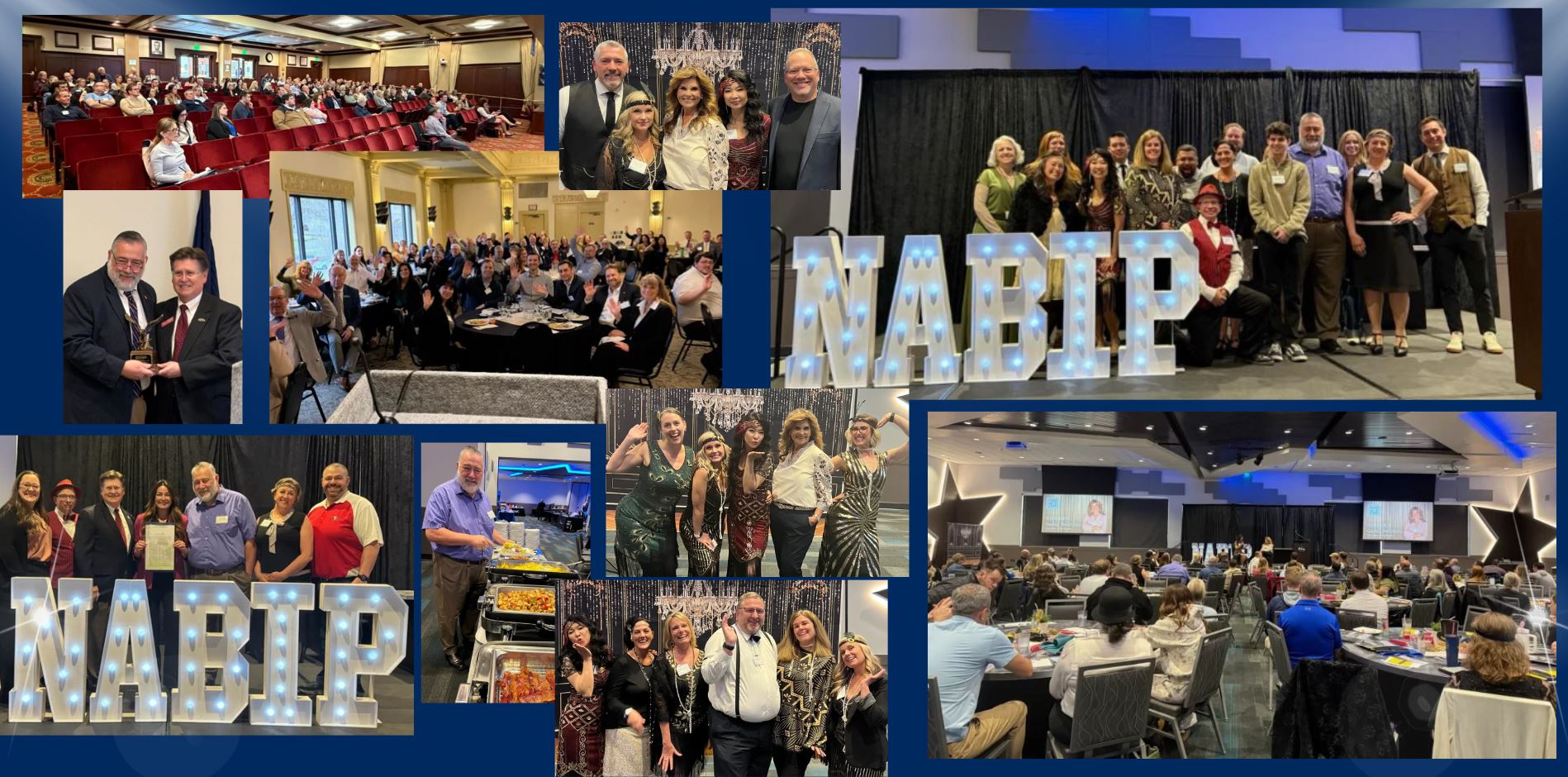
Day on the Hill, we welcomed more than 125 attendees. Over 100 for our legislative dinner, including 30 Idaho legislators, for an outstanding evening of relationship-building and discussion on the issues impacting Idaho's healthcare landscape. A highlight of the evening was recognizing Idaho Director of Insurance Dean Cameron as the recipient of the NABIP Idaho Spirit of Freedom Award for his leadership and dedication to Idaho consumers and the insurance industry.
2026 Idaho State Symposium
Our annual Symposium brought together nearly 200 attendees for a full day of education, networking, and professional development. We heard from an exceptional lineup of speakers covering industry topics, gained valuable insights into the evolving healthcare and benefits marketplace, and had the opportunity to connect face-to-face with broker partners and colleagues from across the state. The energy, engagement, and collaboration throughout the day showcased the strength of Idaho's agent and broker community.
Thank you to everyone who attended, sponsored, spoke, and helped make both events such a tremendous success. We look forward to continuing the momentum throughout 2026!
Meet Your State Board
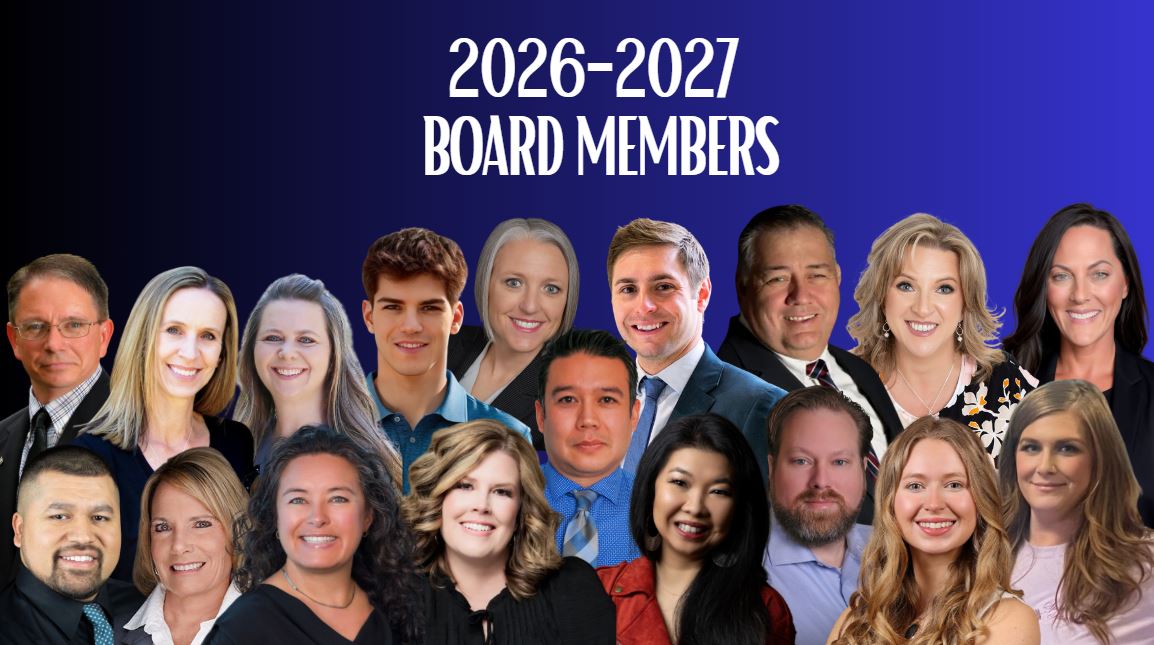
- President - Malia Rogers
- President Elect - Martin Martinez
- Immediate Past President - Rhonda Bartholomew
- Secretary/Treasurer - Aubrey Inman
- Executive Assistant - Wendy Leatham
- LPRT Chair – Stacie Anthony
- Professional Development - Marcia Benton
- NABIP PAC Chair/PAC President/DEI Chair – Guy Stubbs
- Legislative Co-Chair - Scott Leavitt
- Legislative Co-Chair - CarrieAnne Kowalczyk-Gonzalez
- Membership Co-Chair - Darin Vickery
- Membership Co-Chair - Pedro Rojas
- Membership Retention Co-Chair - Frances Nagashima
- Membership Retention Co-Chair - Rhonda Bartholomew
- Member Recognition Co-Chair – Terrie Trevino
- Member Recognition Co-Chair – Nathan Semons
- Marketing and Communications Co-Chair– Evan Hampton
- Marketing and Communications Co-Chair– Julia Joski-Simmons
- Member at Large - Stephanie Hartruft
Trusted Partner Perspectives
Is Your FMO Built for Investors, or for Agents?
For years, Medicare agents primarily chose upline partnerships based on contracts, support, technology, or lead programs. But today, another factor is becoming increasingly important:
Who actually owns the organization at the top of the hierarchy you are currently partnering with?
At Medicarians 2026 held recently in Las Vegas, it was reported that as many as 45% of agent attendees were there seeking a new FMO upline. Those agents mentioned several key factors as to why they were looking to move from their current FMO upline, including a lack of responsiveness from their current FMO, a lack of regular communication and support, a lack of vision and market guidance, a lack of actual local marketing investment and a lack of client retention support as common factors. Many of these agents were from the great state of Idaho.
Across the Medicare distribution landscape, ownership structures have shifted dramatically over the past decade. Venture capital, private equity, publicly traded firms, debt-funded consolidators, and large-scale acquisition platforms have transformed the local independent agent ecosystem. The rise and reveal of a few quality national independent NMA/FMO agencies has also occurred.
As a result, agents today must evaluate not only shared compensation and support — but also the long-term business philosophy behind the organizations they align with.
Venture Capital & Private Equity-Backed Organizations
Over the last several years, private equity and venture capital firms have invested heavily into Medicare distribution and Medicare Advantage infrastructure.
These organizations often focus on:
- Rapid growth
- Acquisition strategies
- Scale efficiencies
- Centralized technology
- Investor return timelines
- Exit strategies for investors over agent interests
Many have built impressive national platforms with strong technology and marketing capabilities. Large consolidators have completed hundreds of acquisitions across the insurance distribution landscape.
However, investor-backed models can also create pressure around:
- Margin expectations
- Standardization
- Oversight
- Agent production requirements
- Exit strategies or future recapitalization events
- Potential for reduced local marketing support
For some agents, this model provides scale and sophistication. For others, it can feel increasingly corporate and less entrepreneurial. Major national organizations with significant private equity or institutional investment exposure include companies such as Spark Advisors, Integrity Marketing Group and AmeriLife.
Publicly Traded Medicare Companies
Publicly traded Medicare organizations operate under an entirely different dynamic. These companies answer directly to:
- Shareholders
- Quarterly earnings expectations
- Wall Street analysts
- Public market growth targets
- Rise and fall along with publicly traded peers in the industry
Public companies can offer tremendous resources, brand recognition, and technology investments. But they also face constant pressure to deliver predictable financial performance quarter after quarter. In these environments, strategic decisions are often driven by:
- Stock performance
- EBITDA growth
- Cost reduction initiatives
- Market expansion pressures
For agents, this can sometimes create instability when organizational priorities shift rapidly in response to market conditions. Examples of publicly traded companies in the Medicare distribution and marketplace space include companies such as Baldwin Insurance Group, GoHealth, SelectQuote and eHealth.
Debt-Funded Consolidation Models
Another emerging structure in the Medicare space is the debt-funded acquisition platform.
These well-known national organizations once grew through aggressive acquisition strategies financed by leverage and recapitalization structures totaling billions of dollars. The debt service alone could be in the many millions per year.
Advantages:
- Fast expansion
- Large recruiting footprints
- Immediate scale
Considerations:
- Debt service obligations could create pressure on local support
- Operational decisions may become financially driven
- Long-term sustainability depends heavily on acquisition velocity
- Access to local support in a heavily consolidated environment
Will local support remain available and sustainable? Is the FMO agency the debt was secured to acquire, still operated by the same people as before? Has the culture changed?
Independently-Owned National Organizations
While much of the industry has consolidated, a small number of nationally scaled organizations still operate with substantial independent leadership and entrepreneurial culture.
Of the approximately 30 national FMO/NMA’s in the USA, there are only 3 national NMA/FMO organizations we are aware of who operate nationally and completely independent of investor/debt financing structures. They are Advocate Health Advisors, The Brokerage, Inc., and TLC Insurance Group.
This segment of the industry is small but mighty, representing strong MA sales results coupled with enviable quality metrics. In this new Medicare sales landscape, these 3 FMO/NMA’s appear to be well-positioned and possess the flexibility needed for a changing environment.
Independent organizations are often able to focus more heavily on:
- Long-term agent/agency relationships
- Culture of quality vs. quantity
- Consumer first attitude
- Flexibility
- Local market autonomy
- Entrepreneurial growth
- Sustainable expansion rather than investor timelines
- Customized succession strategies, and possible buyouts
Importantly, independently-oriented organizations often maintain a stronger connection to the field — because leadership typically came from the agent distribution world itself and not Wall Street, venture-capital or debt structured organizations.
For many experienced Medicare professionals, this matters.
Agents today increasingly want:
- Stability
- Flexibility
- Transparency
- Complimentary Tools and technology
- Leadership
- Client retention support
- An FMO that engages with policy makers directly
- Real partnership
- Multi-product opportunities
- Freedom to build their own business
- Assistance in recruiting additional agents
- A voice inside the organization
Why the Independent Channel May Matter More Than Ever
The Medicare sales industry in 2026 looks very different than it did just five years ago. The days of selling on just food cards or an OTC card or a fancy gym membership alone are likely behind us. The market is screaming for local, licensed, community-based knowledgeable agents, not call centers or unlicensed volunteer counselors. The Medicare market is not shrinking, it is maturing and this maturity requires genuine licensed advisors who know all elements of the local market, attained from years of experience in this environment. Does your upline embrace this vision and support your efforts to take market share from those who do not embrace the new Medicare sales world?
In this environment, agents may want to ask an important question:
“Is my organization ultimately built to maximize shareholder value — or to help independent agents build long-term results and outcomes?”
There is no universally right answer. But for agents who value:
- entrepreneurial freedom,
- relationship-based leadership,
- local market flexibility,
- long-term alignment,
- and dependable, experienced Medicare leadership
The nationwide independent NMA/FMO agencies may soon represent the strongest partnership model in today’s Medicare landscape.
Hope is not a strategy.
Ownership structure alone does not determine whether an organization is good or bad.
There are excellent leaders and strong organizations in every category.
But ownership does influence culture, priorities, decision-making, and long-term direction.
And as the Medicare industry continues evolving, agents may find that understanding who owns the platform becomes just as important as understanding the contracts they offer.
If you are unhappy or frustrated with your FMO upline, and you are hoping it will all just work out… you may need to design a new business plan and act upon it. As you look at the idea of switching upline FMO’s this summer ahead of the upcoming AEP, consider who owns your upline. This could have a significant impact on the vision you have for the future of your business and your annual results.
Mike Yasi, Director
Advocate Health Advisors
2026 Idaho Nabip Gold Sponsor
www.Advocateforagents.com
Celebrating Excellence
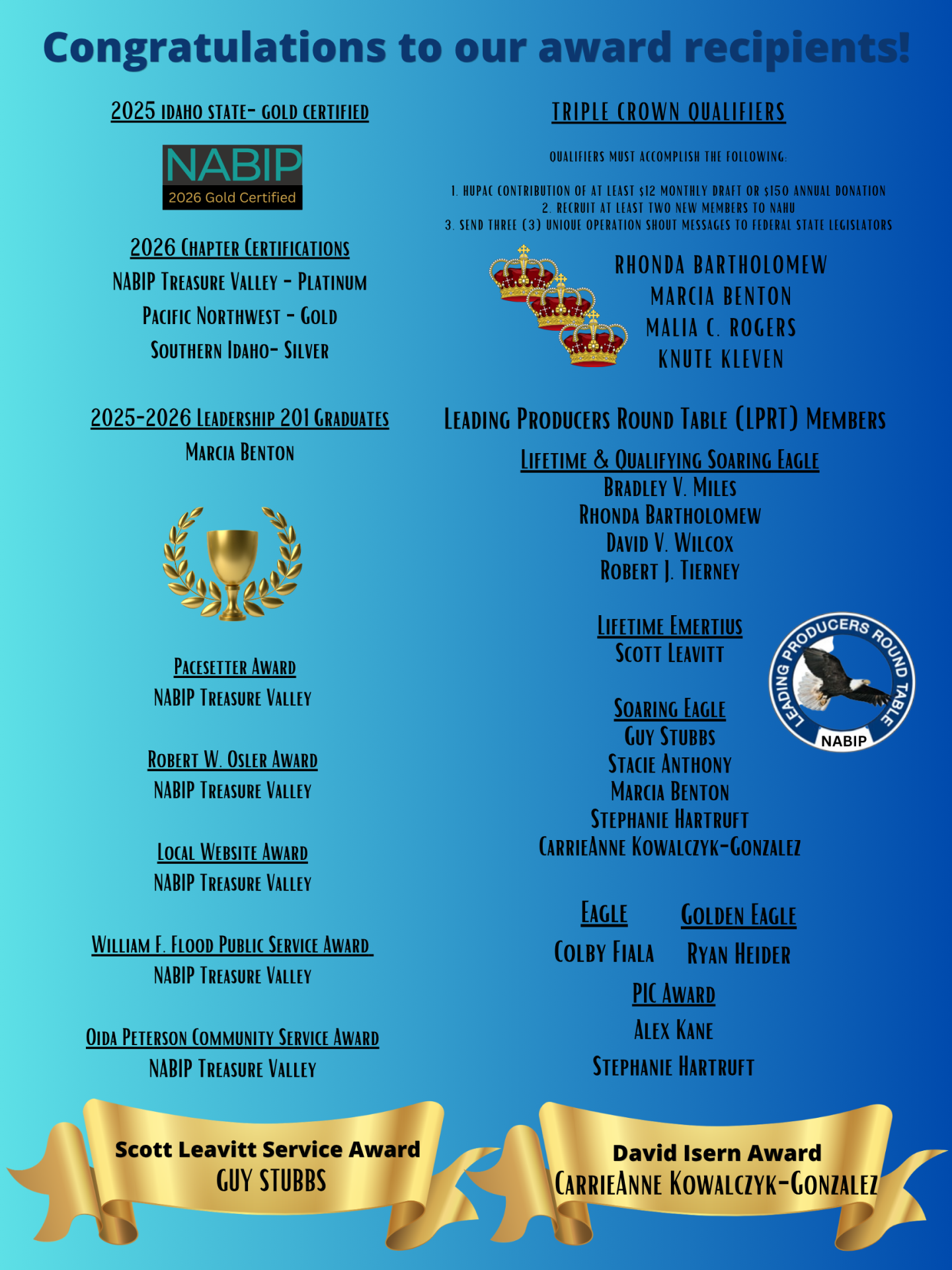
Congratulations to our Award Recipients, we appreciate your dedication to our industry!
Making an Impact
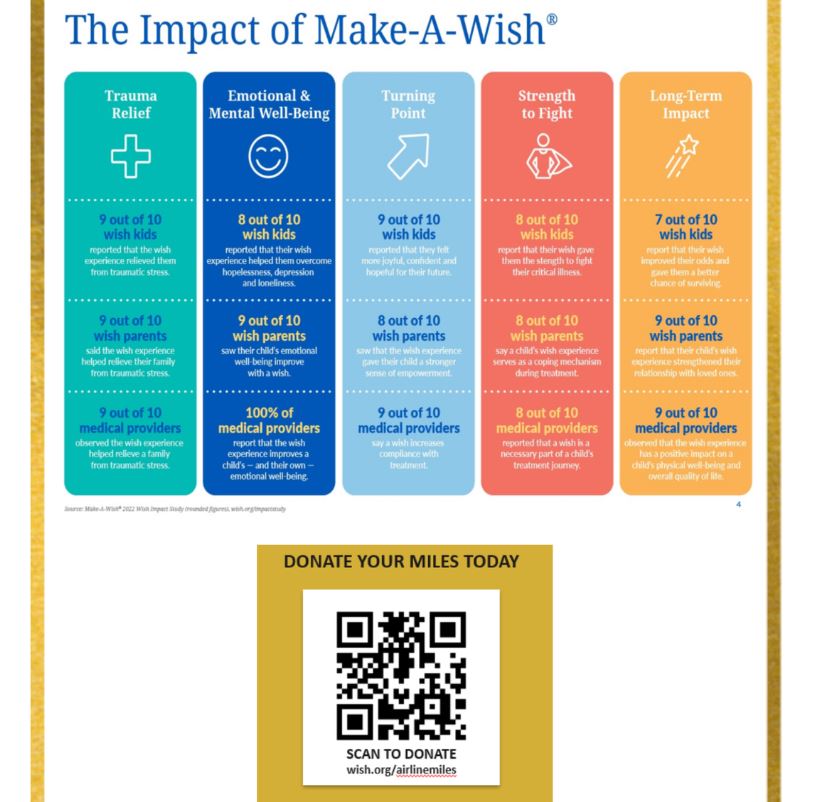
Make-A-Wish Foundation gives children facing critical illnesses something every child deserves: HOPE.
A wish can bring laughter during the hardest days, create treasured family memories, and remind a child that joy is still possible. For parents, it offers a moment of relief and a chance to focus on something magical instead of medical appointments.
One simple way we can help is by donating unused airline miles, which make it possible for wish children and their families to travel and experience moments they will never forget.
If you have miles to spare, please consider scanning the QR code below and helping turn hope into reality for a deserving child.
Mark Your Calendar
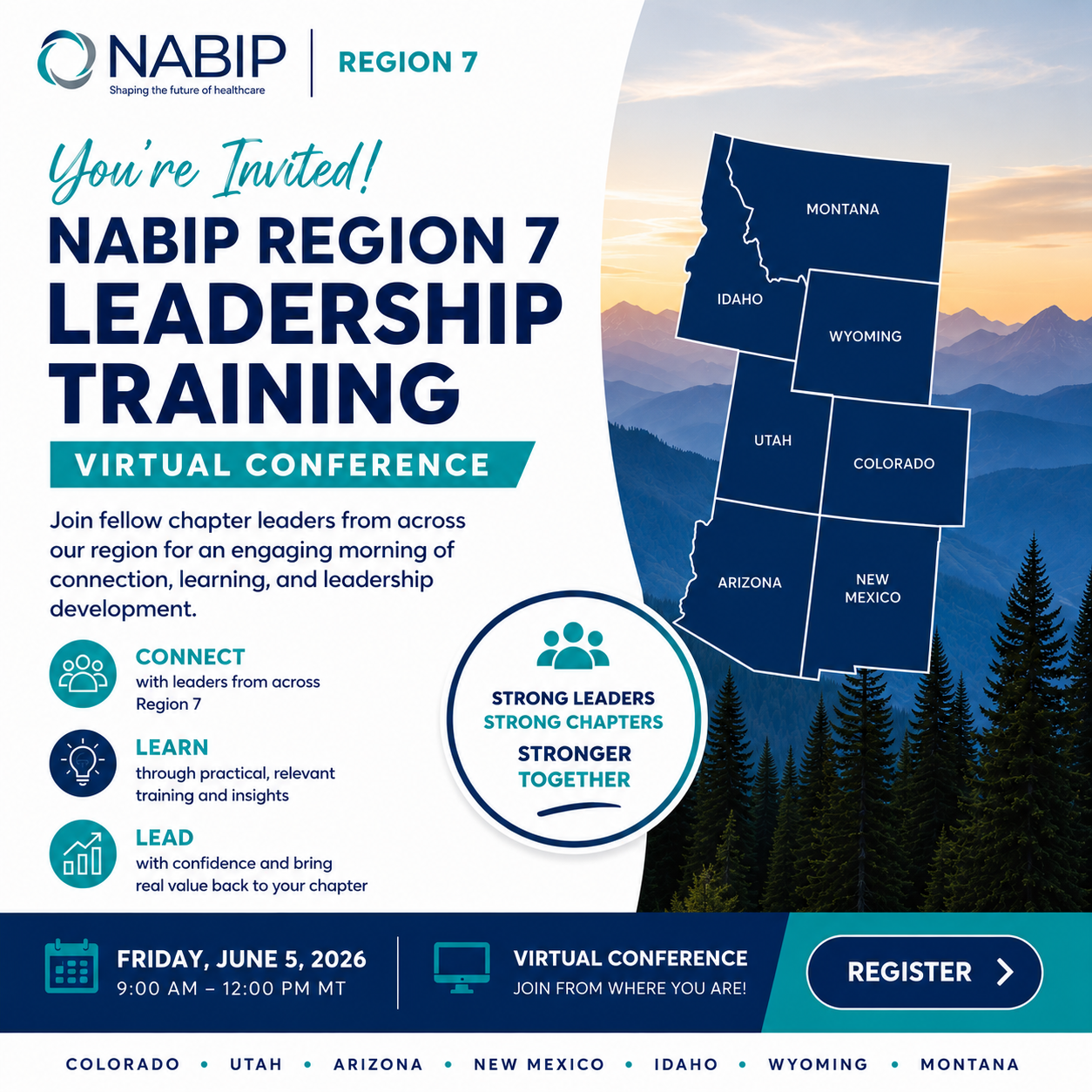
The Region 7 Leadership Training is for anyone who is currently a leader, an incoming leader or interested in volunteering for a board or committee. Free to attend. Register Here
National Conference - Join us in Atlantic City, NJ, June 27–30, 2026, for NABIP’s Annual Convention — a Racing Ahead
experience designed to fuel Progress, Innovation, and Drive as you move toward your best
professional self. ??✨